
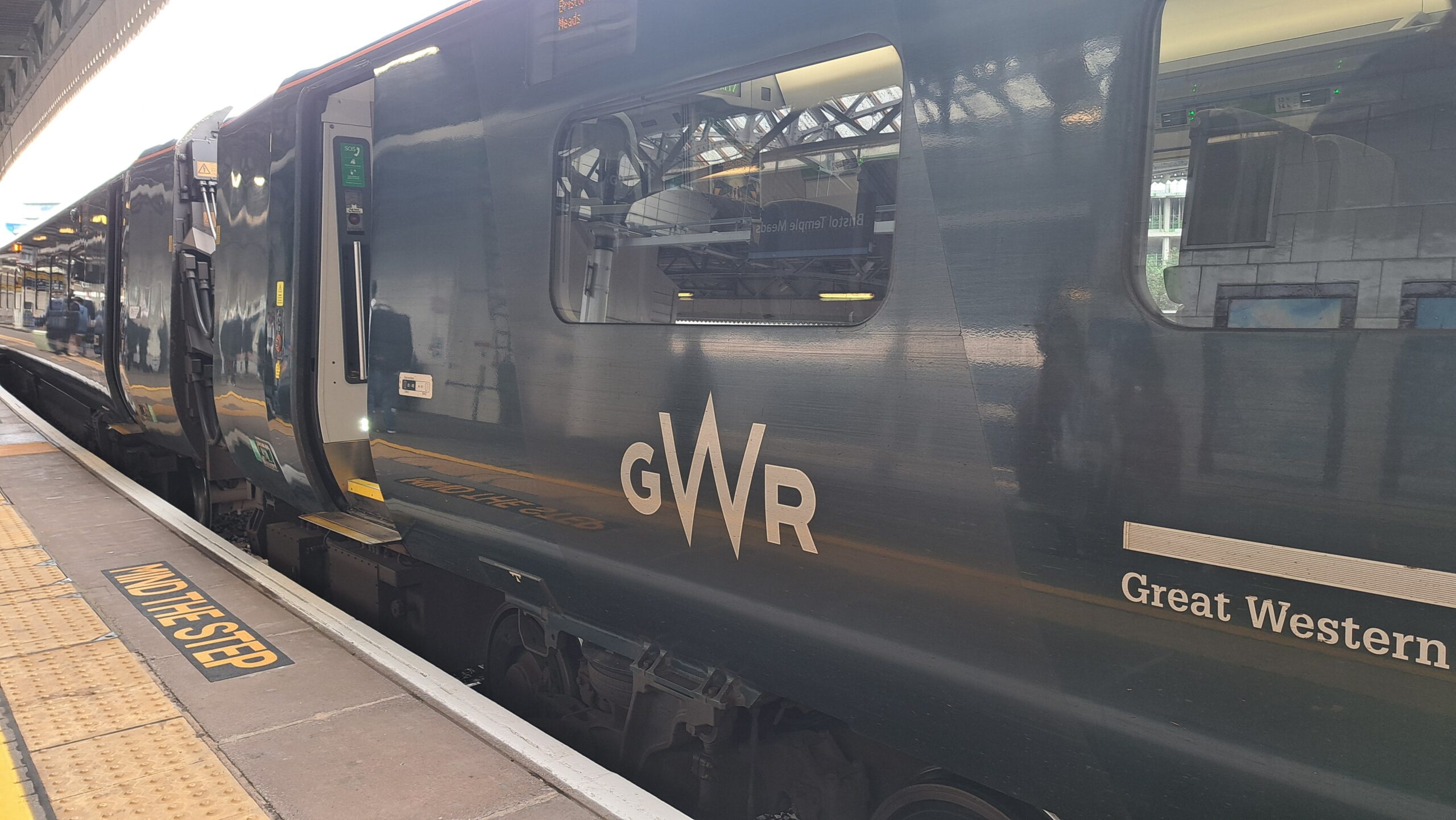
Train operator Great Western Railway (GWR) will move into public ownership on 13 December 2026 as part of the UK Government’s wider rail reform plans.
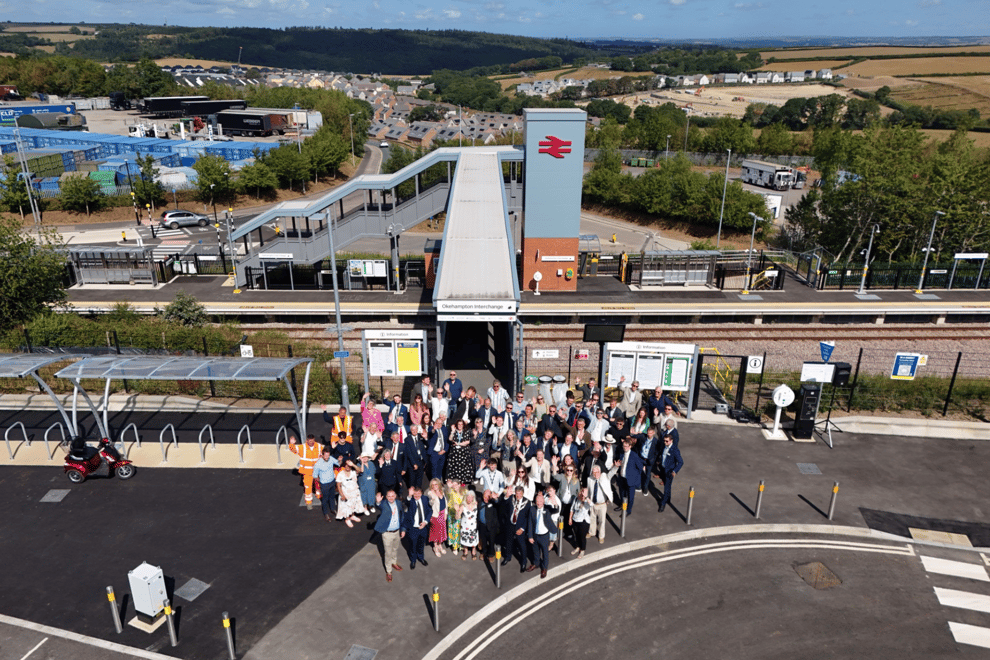
For people in the Bude area, this matters because GWR runs many of the rail services residents rely on for journeys to Exeter, Plymouth, Bristol, London and beyond – including connections commonly used from stations such as Okehampton, Exeter St Davids, Bodmin Parkway and Tiverton Parkway.
Although Bude itself still has no railway station, changes to how GWR is run could still affect ticketing, reliability and the wider future of transport across Devon and Cornwall.
What Is Happening?
Since the 1990s, most UK train services have been operated by private companies under Government contracts. The Government is now gradually bringing train operators back into public ownership as contracts expire. GWR will become the 11th operator to transfer into public control as part of plans to create a more unified national railway system under Great British Railways (GBR).
The aim is to simplify the rail network and improve coordination between train operators, infrastructure and ticketing systems.
What Will Passengers Actually Notice?
For most passengers, the change in December 2026 will probably not feel dramatic overnight. Trains will still run, stations will stay open, and many staff and branding elements are likely to remain initially.
The bigger changes are expected to happen gradually over several years.
One of the most noticeable differences could be simpler ticketing. The Government has repeatedly said it wants to reduce the confusing mix of fares and restrictions that developed under privatisation.
Passengers may also see rail services become more joined-up operationally. At the moment, train operations and infrastructure management are often handled separately, which can lead to delays, communication problems and blame-shifting during disruption. The new system is intended to bring more of that under a single structure.
Whether passengers in the South West actually experience better reliability will depend heavily on future investment and staffing.
Could This Help Rural Areas Like Bude?
That is one of the biggest unanswered questions.
For decades, rural areas across Cornwall and Devon have struggled with fragmented transport links. Many Bude residents face difficult journeys involving multiple buses, expensive rail fares, limited evening services or long drives to railway stations.
In theory, a more centralised railway system could improve coordination between buses and trains. If Great British Railways genuinely focuses on integrated transport, it could eventually lead to:
- better timed bus connections
- simpler through-ticketing
- clearer journey planning
- improved coordination during delays
However, public ownership alone will not automatically solve the deeper infrastructure issues affecting the South West.
Major improvements – such as reopening rail links closer to North Cornwall, increasing rural bus frequencies, or improving resilience on routes through Devon – would still require significant Government funding and political support.
Will Tickets Become Cheaper?
Not immediately.
Nationalisation does not automatically mean lower fares, especially while the railway still faces high operating costs and ageing infrastructure. Instead, passengers are more likely to see gradual changes in how fares work, with efforts to make them easier to understand and potentially more flexible. There may also be improvements to compensation systems, ticketing apps and passenger information.
What About the GWR Brand?
The GWR name is unlikely to disappear overnight. It has deep historic links to the South West and remains one of the most recognised railway brands in Britain.
Over time though, passengers may begin to see more national branding connected to Great British Railways. That could eventually include changes to train liveries, station signage, ticketing systems and apps.
What Happens Next?
GWR officially transfers into public ownership on 13 December 2026.
For most people in the Bude area, daily travel is unlikely to change immediately. The real test will be whether the reforms eventually deliver a railway and public transport system that works better for rural communities – especially places like Bude that still remain disconnected from the rail network itself.